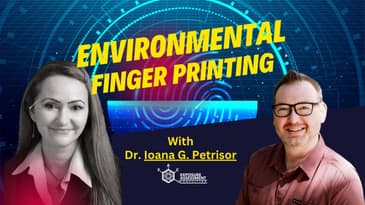
From targeted analysis techniques to total organic fluoride (TOF) and non-targeted PFAS analysis, we explore the diverse methodologies used in identifying and tracking these elusive substances. Discover how these techniques provide detailed forensic insights, reveal distinct PFAS signatures, and aid regulatory bodies in managing contamination. Dr. Petrisor also discusses practical recommendations for reducing PFAS exposure in everyday life, underscoring the importance of staying informed and using commonsense measures to protect our health.
This episode also delves into real-life scenarios of significant PFAS spills and regulatory cleanup requirements, highlighting the challenges of detecting unregulated compounds and older releases. We touch on the critical nuances of sampling, regulatory shifts towards class-wide PFAS regulation, and the evolving landscape of environmental forensic science.
Whether you're a scientist, policy-maker, or simply curious about environmental sciences, this episode is packed with valuable insights and expert advice. Don't miss Dr. Petrisor's recommendations, including the use of filters to reduce PFAS exposure and staying updated with PFAS news through Google Alerts and Apple News.
Stay tuned for more intriguing discussions and expert insights on the Exposure Scientist channel. Remember to like, subscribe, and hit the notification bell to stay updated with our latest content!
Chapters
00:00 Environmental forensics investigates pollution impacting populations.
10:17 Pre-1950s blood banks free of PFAS.
14:05 PFAS have interfaces accumulation and versatile repellent properties.
19:33 Modern firefighting foam still has problematic PFAS.
26:04 Few techniques apply to PFAS; isotopes excluded.
32:15 Graphical analysis and stats differentiate and compare PFAS sources.
34:15 Main limitation: Tests cover limited PFAS compounds.
39:59 PFAS oxidized to mimic rapid environmental transformation.
48:20 Non-targeted PFAS testing method for forensic investigations.
51:31 Regulators favor nonconventional PFS techniques more.
55:50 Ensure same lab techniques; certified lab preferred.
01:05:47 PFAS sampling is critical due to specificity.
01:09:13 Reduce PFAS exposure by using water filters.
01:12:19 Grateful, eager to converse and learn multidisciplinary.