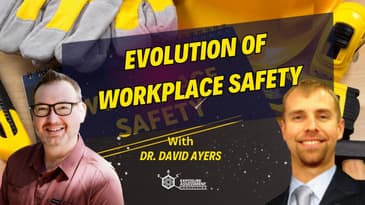
Dr. Ayers sheds light on the critical role of historical data in enhancing safety practices, emphasizing how reviewing past employee data can pave the way for better monitoring and safer environments. Trust-building is underscored as a cornerstone for implementing effective safety measures, as both Dr. Ayers and Alex stress the importance of fostering strong relationships with current employees. The discussion also spans the unique challenges faced by early career professionals in prioritizing significant hazards independently and the necessity of monitoring conditions across all work shifts, not just the first.
Technology isn't left out of the conversation. Dr. Ayers talks about the advancements in safety technologies, such as real-time sensors for monitoring workplace exposures, and urges professionals to familiarize themselves with these tools. Learning from varied industries and the importance of rigorous monitoring in environments dealing with hazardous substances like silica, arsenic, and phosphorus are also covered, illuminating how best practices can often transcend industry boundaries.
Personal anecdotes from Dr. Ayers provide a relatable touch, including his journey into the safety field and the inspiring stories of professionals he encountered. Practical advice for new safety personnel — from thorough facility walk-throughs to understanding and updating Safety Data Sheets (SDS) — is paired with thoughtful discussions on regulatory challenges, such as outdated OSHA PELs and the ethical dilemmas they present.
Join us for an episode brimming with valuable lessons and professional guidance that can help elevate safety standards in any workplace. Don’t forget to like, comment, and subscribe to Exposure Scientist for more expert insights into environmental and occupational health.