We would love to hear what you think?
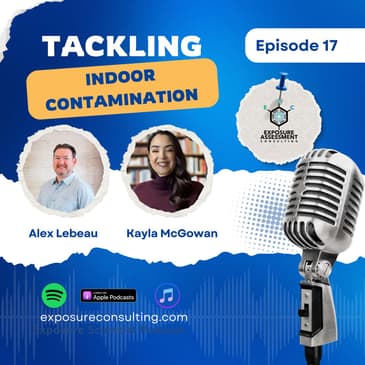
Welcome to Episode 17 of "The Exposure Scientist" Podcast! I'm your host, Dr. Alex LeBeau, and today we're diving deep into the crucial topic of indoor contamination and the vital role of collaboration in the restoration industry. Joining us is Kayla McGowan, the editor-in-chief of Restoration and Remediation Magazine, bringing over a decade of insights from the field.
In this episode, we'll explore the dynamic interplay between industrial hygienists, remediation contractors, and insurance adjusters. We'll discuss how hidden dangers like mold, fire, water damage, and even crime scenes necessitate a unified, data-driven approach. Kayla and I will underscore the importance of effective communication, continuous education, and the consumer's perspective in achieving successful remediation outcomes.
Together, we emphasize that collaboration and healthy debate are not just beneficial but essential for ensuring consumer safety and maintaining operational continuity, especially in commercial settings. Whether you're dealing with labor shortages, navigating complex regulations, or striving to meet your client's urgent needs, this episode offers valuable insights for anyone involved in creating safe and healthy indoor environments.
So, buckle up and get ready to learn why doing things right the first time is more than just a mantra—it's a necessity for progress in our industry. And don’t forget, you can connect with us and book private consultations at exposureconsulting.com. Let's dive in!
Contact Dr. Alex LeBeau at Exposure Consulting for exposure litigation support or Exposure Science Consulting.
[00:00:00] You might not realize it, but we are exposed to dozens of hazards every day.
[00:00:05] Can any of these hazards negatively impact your health? Definitely. This is the Exposure Scientist
[00:00:12] Podcast. My name is Alex LeBeau and here we answer your questions and concerns on what you
[00:00:18] may be exposed to every day. Welcome to the Exposure Scientist Podcast.
[00:00:25] The views expressed in this podcast may not be those of the host or management. This podcast is
[00:00:31] for informational purposes only and should not be considered health advice. It is recommended that
[00:00:35] you consult an exposure scientist to discuss the particulars of your exposure scenario.
[00:00:41] Hello and welcome to today's episode of the Exposure Scientist Podcast. We're going to be
[00:00:46] talking about an area that industrial hygienists focus a lot on, but we can't do that job without
[00:00:52] other help. So we're going to focus on the indoor contamination remediation space of this. It's a
[00:00:59] delicate balance between the job, the client, other outside parties like insurance companies,
[00:01:05] remediation contractors, and even consultants like many of us. So who I've had to bring on here to
[00:01:10] discuss that is Kayla McGowan. She is the Editor-in-Chief of Restoration and Remediation Magazine. Kayla,
[00:01:17] welcome to the Exposure Scientist Podcast. Hi, thank you for having me. I appreciate it.
[00:01:23] As Alex said, I am the Editor-in-Chief at R&R. I've been in this space for 10 years. I've seen all
[00:01:31] different facets and this is one space that I am very excited to bridge the gap here with Alex.
[00:01:38] And just full disclosure, Kayla and I had just reported a podcast for her project over at R&R.
[00:01:45] I have recently composed an article for R&R to discuss what we're kind of going to be discussing
[00:01:51] today. I gave the industrial hygiene side, but I'd like Kayla to come on here and talk about the
[00:01:56] complexities of what we have to deal with with remediation and restoration from her perspective
[00:02:03] of what she sees. And, you know, I've known Kayla for a few years now. It was the last time we spoke,
[00:02:10] I gave a co-presentation at IICRC and she was there. So she knows this space. She has very
[00:02:17] firsthand knowledge of it. So I wanted to bring her here to get her expertise in helping us to
[00:02:24] understand the remediation side. Because again, there's lots of strife that goes on between both
[00:02:28] sides. So I want to present the remediation perspective here for us to understand how we
[00:02:34] be more collaborative organizations going forward. So Kayla, if you could just kind of discuss how you
[00:02:41] see the importance of remediating and maintaining healthy indoors from the remediation and restoration
[00:02:46] side against any indoor potential contaminants. I would say, you know, at the end of the day,
[00:02:52] if your space is not healthy, there's going to be constant sickness. You're not going to feel good.
[00:02:57] You're going to expose others to whatever is going on in your space. And this can be from mold,
[00:03:05] smoke, fire, even odor, right? If we wanted to get into it, we can talk about, you know,
[00:03:11] we all have pets or most of us do. And, you know, sometimes they have accidents and well,
[00:03:16] that can cause a problem and health risks for us as well. You know, water is a universal thing too,
[00:03:23] from burst pipes to an overflowing toilet. There's so much risk behind everything that we see on a
[00:03:31] day-to-day. I think that most people see restoration and remediation separate from cleaning, indoor air,
[00:03:39] hygiene, but they're really not. Everything is interconnected. We're all related. You cannot
[00:03:44] have restoration without cleaning and you can't have cleaning without restoration. And well, let's be
[00:03:49] quite honest. You can't have a safe space without the assistance of industrial hygienists in our space,
[00:03:55] because at the end of the day, you guys are an expert in what we are not experts in. And that's
[00:04:01] what is extremely important to me. And I think I said this to you earlier, Alex, if there's one thing
[00:04:06] that I do in my time in this space, it's to bridge the gap between industries that maybe people don't
[00:04:13] think interconnect and that rely on each other. We do, we really do rely on each other. And in order to
[00:04:20] keep our consumers, our customers, our teams safe, we have to rely on one another and utilize each
[00:04:28] other's expertise in order to reach our goal. And that's clean health, safety, livable environments,
[00:04:36] right? At the end of the day. And if it's not clean, if it's not healthy, well, then it's not a
[00:04:41] livable environment for you or your customers. And I think you brought up a great point there.
[00:04:48] You know, there's lots of different hazards that we face in the indoor environment. You brought up
[00:04:53] the one with pets, you know, earlier you had mentioned, you know, there are situations,
[00:04:57] I know industrial hygienists have dealt with situation for hoarders, you know, there's a whole
[00:05:01] different risk present there that listen, we can go and identify the health risks, but we need someone
[00:05:07] to help come in and help mitigate. That's where we look to the restoration and remediation folks to do
[00:05:12] that because they have the expertise and, and going into that space and saying, okay, this is where we
[00:05:17] need to start. Because sometimes you go into those scenarios, you're like, I don't even know where to
[00:05:21] begin. I know there are hazards here. I can identify them. Let's work together to figure out how we can
[00:05:26] best approach this kind of scenario.
[00:05:30] Yeah, I agree. And I think too, that we all like, we've talked about this to collaboration and
[00:05:36] communication are so important. No one knows it all. And I said this a little earlier as well,
[00:05:42] if you think you know it all, it's maybe time to leave the space for a little bit and maybe come back.
[00:05:46] But that's the importance of collaboration. We all have our specialty. We're all experts in our own
[00:05:52] space. But what we do on a regular basis involves multiple professions. It's not just a one track
[00:05:59] job that we have. I mean, we involve insurance carriers, we involve, sometimes there's public
[00:06:05] officials, sometimes we're dealing with the fire department, sometimes we're dealing with local
[00:06:09] legislation. You know, there's so many layers to all of this. And we all have to collaborate in order
[00:06:14] to make the experience what it needs to be, but also get the environment to where it needs to be for
[00:06:22] for those who are helping. Right?
[00:06:24] No, I completely agree. That's a great point. And again, I think we're going to highlight this and
[00:06:28] continue to highlight the importance of collaboration and communication between the
[00:06:33] professions. Because that is the way I think that we're going to be successful in this space.
[00:06:39] As far as again, no matter what problems you face, whether it's mold, mold is the one who always
[00:06:44] gets a lot of the attention. But the AIHA, one of the areas that we're kind of beginning to focus
[00:06:49] more on is, is water quality issues. Now let's talk with Kalish, you know, so they have a lot
[00:06:53] of people who do water remediation. So this is an area we're going to need to know those folks,
[00:06:57] because for some of the water more pathogens we deal with, you know, there are some that are
[00:07:02] some contractors that may be more up to speed on some of those or what needs to be done,
[00:07:06] especially with local regulations, as you said, or problems that they know in this, the area,
[00:07:13] hey, I've dealt with this other spaces, maybe you need to take a look at this as well. I think
[00:07:17] that's a great area for communication and collaboration. I would say to hit this really
[00:07:22] well, you know, water is a common denominator in most emergencies that we face. I mean,
[00:07:29] there's fire and stuff like that. But there's different types of water scenarios too, right?
[00:07:33] You have sewer, right? You have saltwater, that's a totally different ballgame. And then you have,
[00:07:40] you know, freshwater essentially, but you never know what's in that freshwater, right? So here in Las
[00:07:46] Vegas, we have high amounts of fluoride in our water. And, you know, we get our water from Lake
[00:07:54] Mead and they recently had, you know, some bacteria issues and things like that. So it goes so much
[00:08:01] further than what you can see with your eye. There's a part of assessment that needs to take place.
[00:08:07] There's testing that needs to take place because you can't go in and effective, effectively restore
[00:08:12] or remediate without knowing what potential risks are there. And it involves collaborating at the
[00:08:19] end of the day. I think also you can get into the space where water's been there a little too long,
[00:08:23] and you're in high humidity regions, and then mold starts to happen, right? Mold grows rapidly.
[00:08:28] I think a lot of people who are in this space don't know how fast things can change, essentially. And
[00:08:36] consumers don't really either, right? I've been in Florida quite a few times. There's some shows I've
[00:08:41] attended and I've met several people who've actually been affected by mold and have gotten sick. And they
[00:08:48] didn't understand, you know, they were, most of them were tenants renting and they were at the mercy of
[00:08:54] their, their management company. And, you know, unfortunately they didn't have the right people coming in.
[00:09:00] And it was like, oh, just replace things. Oh, just do this. Oh, it's not in your HVAC. And I think that's
[00:09:06] where we as professionals have to collaborate, right? From industrial hygienists to restoration
[00:09:12] and remediation to even HVAC professionals, like those who work towards certifications with NACA,
[00:09:18] you know, the National Air Dupt Association, you know, they have their set of standards,
[00:09:23] they have their set of certifications that bridge into our industries as well. So I think it's really
[00:09:28] interesting to see and understand, you know, not only health risks, but lasting risks, right? Health can be
[00:09:37] immediate, but it can also be lasting too. You can also cross contaminate. And most people don't talk about
[00:09:43] that stuff.
[00:09:44] No, those are, those are all great points. So one thing that you brought up, and I think it's important to,
[00:09:49] to understand here is, you know, we're, when we go in to do a job, we're, we're, we're working, and we're working for a
[00:09:58] client. So can you elaborate on how you see the client's perspective on dealing with, you know,
[00:10:05] if you're the person, as you said, maybe the tenant, you know, how, how do they deal with the industrial
[00:10:10] hygienist, this insurance company, the remediation contractor, you know, how do you see all those
[00:10:14] kind of culminating down to, you know, how we can best serve that client?
[00:10:20] Yeah. So speaking with my consumer hat on, I actually faced a water loss myself. And, you know,
[00:10:27] I'm in Nevada, so we don't really have mold problems. We have more of, you know, mildew and,
[00:10:33] you know, like it's quick, it dries out fast. You know, we don't need to have all the equipment that
[00:10:38] you need to have in other regions. I mean, some scenarios we do, but with my consumer hat on,
[00:10:43] I would definitely say you, you panic. You're like, who do I call? The immediate thing is either
[00:10:48] Google, you don't really call your insurance company. Most people are going to go to Google.
[00:10:52] What do I do for a water damage? What do I do for mold? Right. That's what they're going to do.
[00:10:56] So if you happen to come in contact with this consumer, I think there's, um, we talked about
[00:11:02] this a lot, preparedness, right? As professionals, we need to build these relationships and have a
[00:11:08] preparedness plan essentially. So when we go to the consumer and we see what's going on,
[00:11:12] you inform them about what you see, what's going to be in, what's going to be involved in this process,
[00:11:20] who the parties are so that they understand. And most importantly, if you have the ability to handle
[00:11:27] most of the stuff for your consumer, it will provide them peace of mind and also not get them into,
[00:11:32] you know, weird situations where it's like, um, oh, well, they said to do this, but you're telling me
[00:11:38] to do this. It alleviates that, um, back and forth and maybe the uncertainty, whereas the professionals
[00:11:45] are doing the collaboration on the backend and you have that one POC for, for your client. That makes
[00:11:50] a huge difference. I know we don't oftentimes see that. Unfortunately, we've got, you know,
[00:11:55] the insurance, we've got our contractor. We'll have like the industrial hygienist. Sometimes you'll
[00:12:00] have, if it's a government building or a sitting building, you have officials that you're dealing
[00:12:06] with. And I think the most important thing with my consumer hat on would be someone being able to come
[00:12:12] in and confidently tell me, Hey, this is what's going on. This is going to be a process and there's
[00:12:18] going to be layers to this process. The first one is assessing, right? We need to assess the situation
[00:12:22] and we need to collaborate with the other parties that are involved with us that are going to come
[00:12:27] do work. Most times when people are calling for a water damage or mold, they don't know what to expect.
[00:12:34] Let's be real here. They've never faced it. They're not in our space. So they're trusting you,
[00:12:39] but sometimes it's hard, hard to trust. Right. And I think if we're able to provide that peace of mind
[00:12:46] and that unified front, we can make such a difference and it, it's an easy process for them.
[00:12:54] Right. Um, that's where I think we can all come in and, and make sure that we're doing it
[00:12:59] efficiently and effectively, but the backend portion is us having a plan before we're ever
[00:13:05] facing the client. And I think that sometimes where we, most people are great with collaboration,
[00:13:10] but sometimes that slips through the cracks. Uh, I, I agree. And I'll, I'll, I'll bring up the,
[00:13:16] I've seen, um, for lack of better terminology, I've seen, uh, outside consultants, we have that Superman
[00:13:23] syndrome. I'm coming in to save the day. I don't need to explain to you why I'm saving the day or how
[00:13:29] I am. Just trust me that I am saving the day and here's my expensive bill for it. And then I'll
[00:13:35] see you later. And I think that's, uh, not a great way, uh, to serve those clients. If you,
[00:13:41] as you said, if you're someone who's, who, who doesn't know what they're, you know, never dealt
[00:13:45] with this before or has fear, they're going to need some handhold. And as you said, have a point of
[00:13:51] contact for that person, or if you are the only person doing it, you need to understand that you're
[00:13:55] going to have to spend some time talking with that person. And I think that, you know, this is, I'll
[00:13:59] say customer service that, you know, as, as I think scientists on the industrial hygiene side are not
[00:14:05] great at customer service. And I think either hiring somebody who is good at it or, or recognizing
[00:14:11] that you need to do better customer service is important. And I think you discussed that very well,
[00:14:17] uh, and what you said, cause that's, it's, it's all about making sure the customer's happy
[00:14:21] ultimately. Yeah. And I think we, we, there's no way we can't recognize this to be completely honest.
[00:14:28] You know, if we're talking about high industrial hygienists, you're talking about somebody who's
[00:14:33] gone to school, who is constantly evolving constantly with the change. And they may be
[00:14:39] more of that technical scientific side. And there may not be like that communication that they're great
[00:14:45] at. Right. We have to think about it this way. When you go to the doctor and they're throwing
[00:14:49] medical terminology at you and you're like, can you tell me that in English, please? That's
[00:14:55] ultimately what we're doing when we're in a consumer space, because we're talking about,
[00:15:01] sometimes it's mold contamination and we're talking about air movers, D hues, you know,
[00:15:05] all these things. And they're just like, what are you talking about? When somebody can come in and
[00:15:10] actually say, Hey, we're going to assess, we're going to be placing equipment in your home. We're going
[00:15:15] to be testing, you know, you have to kind of give them step-by-step and handhold and just let them
[00:15:21] know at the end of the day, you're going to take care of them. And sometimes it involves multiple
[00:15:26] parties. No. And I think that's, that's great. And actually, so this is, I think a point where we can
[00:15:34] discuss the collaborative efforts between the remediation contractor and the industrial hygienist.
[00:15:38] And I think it's an area that does not honestly happen enough that there is good communication
[00:15:45] and collaboration. Again, it's, I know best because I'm the expert from our side. And even
[00:15:51] from their side, I know best because I'm the expert is understanding is, you know, as you said,
[00:15:56] getting language that we all understand, not only to comprehend it, but understand why we're doing
[00:16:02] that. So can you explain or at least discuss, you know, at least the remediation contractor,
[00:16:07] the industrial hygienist, having great discussions and, and communication to ultimately help the
[00:16:12] client. Yeah. So I think you said that really well, you know, we, a lot of times we've done things for
[00:16:18] quite some time and, you know, that's just kind of where our mentality is. And I think it's,
[00:16:24] it's a good thing and a bad thing to have, but when you're involving multiple parties and you're
[00:16:29] collaborating, there are going to be compromises. There are going to be debates essentially,
[00:16:35] but at the end of the day, you have to rely on your standards, your data, scientific findings,
[00:16:41] but you also have to depend on what is going on in the specific space. Maybe you haven't seen that
[00:16:47] space on the contractor side. Maybe you haven't really been in that space on the industrial side,
[00:16:51] but you'd like to know, uh, you know, what, what the restorer sees and vice versa. The restorer needs
[00:16:57] to know what you as an industrial hygienist see as well. And we don't make progress without a little
[00:17:05] bit of healthy debate or compromise at the end of the day. Um, you know, we all do it in all aspects
[00:17:12] of our life and this is no different. No one knows it all. And we have to rely on each other's expertise
[00:17:19] in order to help the consumer at the end of the day. So we talked about this earlier as well.
[00:17:25] We come in and we assess, or there's an assessment done. Um, and we were eager to do the work, but
[00:17:31] sometimes there's hidden dangers, right? Whether it's water, fire, mold, illicit drugs, trauma,
[00:17:37] and crime scene, you know, there's so many things that you can be exposed to that you may just not
[00:17:42] see with your eye, or maybe there's something in the air, right? That's a common thing too. There's,
[00:17:48] we talked about fire, have your HVAC running, you've got smoke in your house. Now you have soot,
[00:17:55] you know, I think that's where industrial hygienists come into play. How can we make sure we're doing the
[00:18:01] job right, but how do we make sure we're not using improper means and methods that could
[00:18:06] additionally, you know, open up some exposure that we didn't think of? Um, so again, it just,
[00:18:12] you have to compromise, but it's an educational and formal discussion that is based again on
[00:18:19] data, facts, standards, all of those things. It's not based on, I've been doing this for 30 years,
[00:18:25] and this is the way we're going to do it. Because if we're facing that conversation with that mentality,
[00:18:32] the customer is not of the concern. Um, your practices are what you feel is important. And that's
[00:18:39] not the right approach. And I think we're getting better as an industry, to be completely honest.
[00:18:44] We see a lot of evolution. We've seen a lot of evolution. I've definitely seen it in the last 10
[00:18:48] years, but we have to keep doing it, right? It's one thing for a couple people to do it or several
[00:18:55] people to do it. But if we ever stop doing that, we're doing a disservice to the people that we serve
[00:19:01] on a regular basis. No, I mean, the, the, the customers that you're completely correct. The
[00:19:06] customer is the person that we are ultimately serving here. And a lot of times, uh, I mean,
[00:19:11] I'll, I'll, from all sides, you know, egos will get the best of us. So I think having those
[00:19:16] collaborations, having those discussions, going to a site, walking it together, the industrial
[00:19:21] hygienist and the remediation contractor, using those 30 years of knowledge, not to say, I know how
[00:19:26] things should be done or so, Hey, I've seen this in the past. Maybe you need to watch out for this
[00:19:31] from the remediation contract or industrial hygiene and say, Oh, I've seen this issue during
[00:19:36] these times of the season. Maybe this is something you should consider. We can discuss. We're all
[00:19:41] there not only to help the client, but we're there to help each other, to make sure it's done
[00:19:45] correctly and done correctly the first time, because you don't want to be going back and saying,
[00:19:50] well, well, things weren't done correctly. Now we have to go back and do it. Or they didn't follow
[00:19:54] my advice. And I think this is something we discussed earlier. There's, there's best practices
[00:19:59] and there's nice things to have. And do we focus on the best practices or the nice things? Or I think
[00:20:05] focusing on the best things, the best practices and worrying about the niceties later on is something
[00:20:10] that will benefit. There's going to be a compromise area for everything and make it because there's
[00:20:15] always a budget involved and we'll get to insurance carriers, I think in a little while, but working
[00:20:20] together to understand that we're ultimately working towards one goal and we're trying to get there
[00:20:26] somehow, some way. And the fact that we are butting heads is not going to be that best way.
[00:20:35] No. And I think that there's, there's going to be disagreements. There's going to be,
[00:20:41] you know, reservations about, you know, is this the right thing to do? But I think at the end of the
[00:20:45] day, you said it best, this is for the consumer. Things are going to have to change in order to make
[00:20:52] their environment livable and safe, right? Or if it's their work environment, work, work safe, you know.
[00:21:05] Exposure science covers a broad subject area, including toxicology, industrial hygiene,
[00:21:11] and risk assessment. From occupational, community, or environmental exposure, exposure scientists
[00:21:17] apply scientific methodologies to understand exposure risks and apply controls when necessary.
[00:21:23] We at Exposure Assessment Consulting have this expertise. Please reach out to us at info
[00:21:29] at exposureconsulting.com for a free 15-minute consultation to discuss the specifics of your
[00:21:36] exposure scenario. Right. And it's not, and I, and you know, a lot of times we talk about residential,
[00:21:47] this could be, you know, I'll say not industry, but it could be, you know, hey, we don't want to
[00:21:53] have this portion of the office building or business closed down for two months. How can we most
[00:21:58] effectively reduce the amount of time we have to cease operations there so we can get back up to
[00:22:03] working? So there's different facets, understanding, and even both contractors talking with the owner
[00:22:08] and saying, what is your goal? How can we best serve your goal? And being realistic with them.
[00:22:14] You know, I talked about earlier, I mentioned earlier, you know, science is not always fast.
[00:22:18] You know, explaining to them and having, you know, the remediation contractor may have that
[00:22:22] understanding and be on your side and saying, listen, things are going to take longer than you want,
[00:22:26] just because this is how it has to be done to be done right. So there can be those collaborative
[00:22:32] efforts to present a unified front and helping the client understand, you know, what needs to be done.
[00:22:39] Yeah. And I also think when we're approaching a problem together, it again, provides the peace of
[00:22:44] mind, all of the stuff that needs to happen behind closed doors can happen. And then you,
[00:22:49] we have to remember everything comes back to reputation. Everything comes back to reliability.
[00:22:54] And if you provide that to your customer, chances are, if there's another situation,
[00:23:01] or they know somebody is in the situation, they're going to refer you and you can take care of the
[00:23:06] next person, just like you did the first person. And that's what this is all about. We're changing
[00:23:11] people's lives, one person, one family at a time. And I said this earlier as well, word of mouth and
[00:23:18] peace of mind are the best walking advertisement you could ever have. Because at the end of the day,
[00:23:26] people rely on people's experiences. I mean, how many people go to Yelp and Google reviews to see,
[00:23:32] you know, what a company is doing, then they're going to go to their friends and their family and
[00:23:37] say, have you worked with this person? Or have you, you know, what did they provide for you? You know,
[00:23:42] that's always a means of understanding if you're going to be taken care of. Because like I said,
[00:23:46] we're seeing people on more than likely some of their worst days. If it's a business, like you
[00:23:51] said, closing down for two months isn't ideal. But if we can help them come up with an, a temporary
[00:23:58] situation for them while we're still keeping them safe, they're going to look back and appreciate,
[00:24:04] hey, they did have to close the side of the building down. And it was contained and they had
[00:24:08] to do their work. But they also helped me come up with a plan to keep everybody safe and be able to
[00:24:15] work at the same time. Right. I mean, it may be one of those scenarios where, hey, we decided that
[00:24:21] the best scenario here, which may cost a little more money is, you know, we're going to bring in
[00:24:27] people to work on this area, second and third shift. You work in the building, first shift, the other two
[00:24:32] shifts, we're going to bring people in. So it's not disrupting your business or minimizing it. And those
[00:24:36] are ways that we can address, you know, from the industrial hygiene and say, let's, let's, let's think of
[00:24:43] innovative ways to make sure that things are still operating or businesses. You know, if it's a,
[00:24:47] if it's a, if it's a home, maybe we remediate one room at a time instead of saying move out completely
[00:24:53] or whatever it may be, you know, there are ways that we can build off each other and work together to
[00:24:57] be successful and, and, and maximize the goal of the client. And I would also say too, like you just
[00:25:05] said, there's, you know, restorers and remediators are on the same time. If we have to do things at a
[00:25:11] different time, you know, we will do that. If it keeps your company and business or your home
[00:25:16] functioning, you know, we will be respectful of that. And if there are concerns, you know,
[00:25:22] that's where we would voice our concerns as professionals, right? Hey, I don't think we
[00:25:28] should, you know, take time away from this specific area for 24 hours. I think it needs to be handled.
[00:25:33] You know, there's so many layers to this and this goes back to any industry, right? If we're looking
[00:25:38] at this as a whole, all industries face this and ours is no different. Um, it's just maybe a different
[00:25:45] type of scenario, but we all have to understand we are in almost, it's a hundred percent customer
[00:25:52] service space. It's public service. Um, it's just in a different light. And as professionals,
[00:25:57] we're responsible for not only returning their home or business to normalcy, we're also responsible
[00:26:04] to understand that they have lives. And if we can best serve them and collaborate with our fellow
[00:26:10] professionals and the homeowner, then at the end of the day, we're doing our job. Um, we're keeping
[00:26:15] them safe and there's no secret. There is a shortage of staff labor. Um, so your testing may take two
[00:26:22] months. Our job that may usually take a month could take longer. I mean, you see it all over the country
[00:26:28] right now. Every single industry is struggling for reliable labor and it's no different here.
[00:26:35] It's no different for you. It's no different for fast food. It's no different for our first responders.
[00:26:40] Everybody is facing it. And, you know, if we talk about that and we discuss what's going on, I think
[00:26:47] that again, this goes back to your consumer at the end of the day, what would you like to see as a
[00:26:53] consumer and have that mentality, have that empathy and sympathy and compassion for who you're serving?
[00:27:00] Yes, it's your job, but also you're providing a peace of mind for this person that has no idea what
[00:27:08] to expect. And if we're doing that at the end of the day, we're doing our job correctly and effectively.
[00:27:14] Exposure science covers a broad subject area, including toxicology, industrial hygiene,
[00:27:20] and risk assessment. From occupational, community, or environmental exposure, exposure scientists
[00:27:26] apply scientific methodologies to understand exposure risks and apply controls when necessary.
[00:27:32] We at Exposure Assessment Consulting have this expertise. Please reach out to us at info
[00:27:38] at exposureconsulting.com for a free 15-minute consultation to discuss the specifics of your exposure
[00:27:45] scenario. One area I want to discuss, and you kind of mentioned it, is, you know, how the long things
[00:27:53] are taking. You know, there's increased length of time, whether it's sourcing products to use within
[00:28:00] the building materials, whether it's getting labor, whether it's getting tests done correctly, or what
[00:28:06] have you. Things are taking longer, and they're obviously, again, certain ways of doing things. Can you
[00:28:11] discuss a little bit how you see the, I'll say, the collaborations and communications between the
[00:28:18] remediation and the restoration contractor and the industrial hygienist when working, because a lot of
[00:28:23] times these are covered by insurance policies or insurance claims. Can you talk about those collaborative
[00:28:28] efforts in working to help the insurance side of things understand why things may be taking longer,
[00:28:35] or why things have to be done in a certain way, as opposed to the way that they say, well, we're giving you a
[00:28:41] budget, and this is how we see it. Yeah, I think this ultimately comes down to the industrial hygienists
[00:28:47] and their restoration and remediation professionals to come together and discuss what needs to be said
[00:28:53] and proven, right? Because at the end of the day, it's not, hey, I want to do this. This is why we're
[00:28:58] doing it. It's no, hey, look at this. This is why we're doing it. Whether it's a law, a regulation,
[00:29:04] a standard, you know, whether it's safety too, I think plays a huge role in it. And then when you go to
[00:29:10] the carrier, you're a united front, it's usually, I would recommend probably a one person as your POC,
[00:29:16] because I think that's where we get in trouble a lot oftentimes with insurance or even working with
[00:29:24] other professionals in the space. You have so many people talking, things get lost in translation.
[00:29:29] And so at the end of the day, I would say, come together with all your findings and then present
[00:29:33] them, right? The whys, the science behind it, the data behind it. You know, I think negotiation and
[00:29:40] compromise also goes into that realm, right? The insurance has their job to do at the end of the
[00:29:45] day. And we as professionals have our job to do at the end of the day. And we have to remember that the
[00:29:50] consumer is that common piece. And so if we are able to professionally communicate why things are doing,
[00:29:59] being done the way that they are, I think that makes a huge difference. You know, there's,
[00:30:02] I recently wrote a piece too, about the us versus them mentality, right?
[00:30:07] A lot of times we see people with the us versus them. I mean, you see it in car insurance too, even,
[00:30:13] you know, you feel like, well, I pay you insurance, but you don't want to cover me for things. It's the
[00:30:18] same thing in our space too. And if we're able to go with all of the data, all of the facts and
[00:30:24] communicate professionally and talk about things and make sure that we're, we're getting the common
[00:30:31] ground that needs to be done. It'll make a difference. It may take 10 touch points, but you
[00:30:36] also have to remember those touch points are necessary. Maybe you have to break it down into
[00:30:41] pieces. And I, I've seen it on several levels. Um, I have seen and heard multiple calls where,
[00:30:48] you know, there's four touch points, each call, you accomplish something that is very specific and
[00:30:54] then you'll call again and do, it's just the name of the game right now. And we're not talking about
[00:31:00] a space where you had the same adjuster, the same POC for insurance. It's not 20 years ago. We're in a
[00:31:08] space where turnover is very high and you have to approach it person to person, not again, us versus
[00:31:16] them mentality. Um, and you can see success with collaborating on the backend and then coming
[00:31:23] as a United front. So if the insurance carrier or, or their manager, whoever calls the industrial
[00:31:29] hygienist, they're going to get the same story that the restorer, the remediators giving. And then if
[00:31:34] you're really great at this, you're telling the consumer this. And if the insurance happens to call
[00:31:39] the consumer, they're usually going to defer or they're going to say, yes, I already knew they
[00:31:45] talked to me about it. And then that's how we, you know, get to that common ground and goal.
[00:31:51] It's a very long process, but if we do it properly, we're doing our due diligence and it'll happen.
[00:31:59] It just takes time. Um, and that's the nicest thing to say is it just takes time. Honestly,
[00:32:07] um, nothing happens overnight in the world of restoration and remediation. Same thing with
[00:32:12] industrial hygiene, same thing with insurance. I mean, we see it, we're in the world of instant
[00:32:18] gratification, but not all things happen that way. Um, I think it's, there's a saying, you know,
[00:32:24] great things come to those who wait and it's the same thing for what we do. You're not going to have
[00:32:31] your environment where you need to have it overnight. It takes time.
[00:32:36] No, I think that's, that's a great point is there's you're right. We're I'm awful with instant
[00:32:41] gratification. I know lots of other people are, we, we have our smart devices with us all the time,
[00:32:46] uh, love it or hate it, but we get that, we get that instant. You know, I can have something from
[00:32:51] Amazon here in the afternoon if I wanted to. So yeah, it's, it's understanding that there are
[00:32:56] times that it takes a lot longer than you want it to and helping people understand why it's the,
[00:33:02] why, see explaining. And it's interesting. You brought up also the insurance carriers and others
[00:33:07] is, you know, I've seen a rise or increase, I'll say of third party adjusters getting involved here.
[00:33:13] And, you know, they use different groups and organizations and some third party adjusters
[00:33:17] are very keen and aware of what goes into this, but there are some other people who don't deal a lot
[00:33:22] with the space and they just, this gets dumped to them and they, they have lots of questions.
[00:33:27] And why is this like this? Why do we have to do things? Why can't we do it? You know,
[00:33:32] and it's, it's almost like a continual education of everyone involved of why things have to be done
[00:33:39] the way they are and helping those third party adjusters understand this is just how things are.
[00:33:45] And having, again, as you said, that unified front, uh, is paramount to getting that done
[00:33:50] and getting things done successfully. Yeah. I mean, at the end of the day, you know,
[00:33:55] collaboration is always going to be key in everything that we do from you collaborating with your team
[00:34:01] to you collaborating with additional vendors or professionals in the space. And without
[00:34:07] collaboration, again, we are not, we're doing a disservice to those who we are serving.
[00:34:13] I also think too, you know, we all, again, we're all consumers at the end of the day. And if you were
[00:34:20] faced with something, what would you want to be your experience? And if you think about that being a
[00:34:27] consumer, you're going to do so much good in this space, right? You're going to take that customer
[00:34:34] service to the next level. Um, you're going to actually lead by example. At least that's how I
[00:34:39] feel and see, you know, it may take longer, but what are the end results? Right. Um, I think we've seen
[00:34:47] it, um, in several instances where, you know, it wasn't done right. And so you have to do it twice.
[00:34:53] And so is that the goal or is the goal to do it right the first time and have the peace of mind
[00:35:00] for a longing, a longer period. And that's the goal. The ultimate goal is to do it right,
[00:35:06] provide a safe space, provide a clean space, provide a healthy space. And to do that,
[00:35:12] if there's so many layers, there's so many people involved, um, you know, and I think that's why
[00:35:18] there's legislation. That's why there's standards. That's why there's volunteers that take their time
[00:35:24] to say, you know, Hey, I'm here. If you have questions, I'm here. If I don't know the answer,
[00:35:29] I'm going to refer you. Right. So for me, I have an aspect of, I see things and I observe them,
[00:35:35] right? I am no expert in this space as far as technical or anything like that. In my side of the
[00:35:42] space is I do a good job of thinking about what the consumer would want because I am a consumer.
[00:35:48] That's how I came into this industry. I was a consumer. I faced my own loss and, you know,
[00:35:54] we all have our own areas of expertise, you know, and for me, I'm not going to sit here and say,
[00:36:00] I know it all, but for us to, to be great at what we do, communication and collaboration is always at
[00:36:07] the forefront. It doesn't matter if you've been in this industry for 50 years, 10 years, or you're
[00:36:12] brand new to this industry. We all have something to bring. And even the insurance carriers, right?
[00:36:17] You talked about third parties and some of them really know what's going on because they may have
[00:36:23] come from the restoration side or remediation side, or they may have come from, you know,
[00:36:28] a private carrier or what have you. And they have that information, but a lot of times people come
[00:36:33] into this space because they see money and we run into that. And that's, it's no secret. That's every
[00:36:38] industry. Again, people see dollar signs and they're going to go to those dollar signs or what they think
[00:36:44] are dollar signs. And so it's our job to make sure that we are working together, even if it's a long
[00:36:51] process, or even if you don't, even if you're constantly have to compromise, that's what this
[00:36:57] is all about. And it's done professionally, intelligently, and efficiently, not yelling,
[00:37:04] not us versus them, because at the end of the day, the common goal remains the same,
[00:37:08] you know, taking care of our customers. Now you brought up an interesting thought of, you know,
[00:37:15] the, I agree, you know, there are the, the want to just get in there of some people and just make
[00:37:23] money. I mean, there are states that are trying to address that again. I'm, I'm, I'm in Florida.
[00:37:28] We have a licensed mold assessors, which I am one. We have licensed remediation assessors,
[00:37:33] remediation contractors, you know, other states are, are, are looking into that. You know, there are
[00:37:38] also the new, the new guidance and regulations by IICRC that have come out and talk about the,
[00:37:46] you know, indoor professionals, you know, getting those people. It's all about, you know, getting
[00:37:50] people who are knowledgeable in this space to ensure that you're getting, I'll say a good product
[00:37:56] in the end. And that's, and that's difficult. So, so how do you see the, the change in other
[00:38:04] states enacting legislation, whether it's for remediations or, you know, there are some that
[00:38:10] are trying to enact and have an act, indoor environmental quality regulations. You know,
[00:38:15] how do you see the restoration contractor playing into those states that now have rules that say,
[00:38:21] this is what has to be done our way, even though, and there may be conflict with what the industry,
[00:38:28] I'll say standard is for addressing those spaces. That's a really good question. I think like it is
[00:38:34] state by state, right? Standards are meant to be a guideline essentially, right? When there's law
[00:38:43] and regulation involved, you know, if you as a professional realize something is incorrect,
[00:38:48] you have the ability to, to bring that up and say, Hey, I think this is incorrect, or I think we
[00:38:54] need to amend this. You know, you have the organizations like the IICRC, NORMI, AIHA, you know,
[00:39:01] that have the ability or have an arm that is specifically for this type of, of challenge. It is
[00:39:08] a challenge. And it takes time. And I think this, this is going to be one of those things where
[00:39:15] it takes time. Once it's implemented somewhere else, then others will follow suit. And I think
[00:39:20] we've kind of seen that, you know, there's, you see it a little bit more often now it's still taking
[00:39:24] a lot of time, but really as a professional, if you think something is incorrect, or maybe it's too
[00:39:31] vague. I think we see that all the time, you know, with laws and regulations, it's like,
[00:39:36] or rules, you know, you see something and you're like, well, does this scenario apply to this?
[00:39:40] Because the wording doesn't make it seem like it applies to this. There's loopholes, just like
[00:39:45] there is to everything else. And I think we as professionals, you know, get with your local
[00:39:50] groups or get with your local, you know, public figure who's going to be able to help you
[00:39:57] implement these things. And again, collaborate. That's the important thing at the end of the day,
[00:40:04] because you may know something is incorrect, or you may say, Hey, things have changed. Industry
[00:40:10] standards have changed. You know, I think there's some legislation out there that mentions,
[00:40:15] you know, a specific edition of a standard or a, you know, something specific in time.
[00:40:20] And so like evolution, you have to go back and say, Hey, this has changed. And you are just as
[00:40:28] responsible of those who helped implement it as a professional to say, Hey, maybe the standard has
[00:40:33] changed, or Hey, maybe we don't do this anymore. We do something else. And in order to do that,
[00:40:38] I think it just takes the time to collaborate, the time to communicate it ultimately looking at things,
[00:40:46] taking your own notes, and then going from there, because you can't implement legislation or try to
[00:40:54] without knowing what you're walking into. And again, collaboration, I can't stress this enough.
[00:41:00] It's collaboration on all fronts, right?
[00:41:04] No, I agree. And I appreciate that because again, like you said, some, some rules and laws are vague,
[00:41:09] you know, even, and I'm sure the restoration community has to deal with this, you know,
[00:41:15] even if it may be an issue where there's a public health entity involved and they're requesting things
[00:41:23] being done a certain way. And that's where, and in, in the remediation contractor and the
[00:41:28] industrial hygienist may say, no, that's not right. Why are you asking for that? So that's again,
[00:41:32] a unified front where we can say, listen, you, if you have good scientific background or backing for
[00:41:39] why you're recommending something and showing them why they may not, their way is not the best way,
[00:41:44] then that's a great way to succeed in this is, you know, that collaborative effort to show that,
[00:41:52] listen, we have the experience. We've been doing this for many years, not saying that we know
[00:41:56] everything, but the science backs this process over the one that you're recommending, or even the one
[00:42:02] that may be mentioned in the law, especially as you said, it may be a vague law.
[00:42:06] Well, it's also okay to defer to, right? Like you may not know, and it may be, Hey, I know this
[00:42:12] portion of what I'm seeing, but I think there's another piece that needs to be answered by an
[00:42:18] industrial hygienist or, you know, whoever, whatever, whatever other party you need to have involved,
[00:42:24] because we could get ourselves into trouble just like anybody else can, you know, if it's very
[00:42:30] narrow minded or one dimensional, you know, there's like, what we do is there's layers. Right. And so I
[00:42:35] think if you don't know, it's okay that you don't know you can defer and then you learn something.
[00:42:39] And I think that's what makes, you know, these initiatives so important because it's not just
[00:42:46] one or two groups going to try and to do this. It's multiple. And if it's not just groups,
[00:42:52] it's individuals, whether it's somebody at the state county or, you know, federal level, there's,
[00:42:59] there's masses coming and saying, Hey, this is an issue. Um, and that's how we make this space
[00:43:05] better. I also think too, this is part of the educational side that we provide to our consumers
[00:43:11] like, Hey, we're doing this based on, excuse me, regulations or laws or what have you, or for
[00:43:18] places that those are not in place. You can, you know, refer industry standards and show them,
[00:43:25] you know, this is a consensus based document and you have people from all over that are discussing
[00:43:30] things like this. And so your consumers can understand why things take time, why it's
[00:43:35] important to have things done. And then eventually it could translate into legislation or something
[00:43:41] like that. And again, it just takes time and collaboration at the end of the day.
[00:43:45] So I, and I appreciate that. So based on, on what you said, there's a, the collaboration.
[00:43:50] So you've been in the space for a while, pardon me. I'd like to understand what your success stories
[00:43:56] that you've identified, uh, have been, you know, what, where have you seen the positives now? I don't,
[00:44:02] I mean, we can talk about the negatives. I'm sure plenty of people have them. I don't want to talk
[00:44:06] about them. Now I want to talk about the positives. Where have you seen like good interactions of moving
[00:44:12] the profession forward, either together or on your own on, on getting things better in this space?
[00:44:19] Yeah. So I think that's a really good question. I think I've seen a couple of different things and
[00:44:23] I will definitely say one thing that definitely sticks out to me in my time in this space is
[00:44:29] when I first started in the industry, there was a lot of separation. Um, and I think that's
[00:44:35] again, in every industry and it takes time, collaboration takes time. And I've seen collaboration
[00:44:43] be a main initiative and it's made the world of a difference in this space. And I think the next
[00:44:50] layer of this is involving industrial hygienists like yourself. Like I said, I think we have to
[00:44:57] collaborate. There's so many avenues. And that's one thing that I will commend this industry for. Um,
[00:45:04] we are doing a really great job at collaborating again, takes time. Good things take time. And,
[00:45:10] um, it's been a process, but I think all of it is starting to pay off. And that's one thing that
[00:45:15] I'm extremely proud of, um, is because I've, I've been able to be part of some of those conversations
[00:45:20] and see the important role that collaboration plays, you know, from partnerships to, you know,
[00:45:27] getting people to help write standards or people to, um, you know, give their thoughts and opinions
[00:45:33] on things, whether it's on the trade show floor or just a phone call or, you know, emails. I think
[00:45:39] that that's one of the biggest things is collaboration has been one of the best things that I have seen
[00:45:44] because we're able to evolve, right? There's no evolution without communication and collaboration.
[00:45:49] So that's one of the things that I've definitely seen. Um, another thing that I would definitely say
[00:45:54] that I, I think is so important is the consumer understanding that the consumer is at the
[00:46:02] forefront. Sometimes it means putting your ego aside. Sometimes it means compromise. Sometimes
[00:46:07] it means, you know, maybe your way, isn't going to be the way that we go this time, but next time it
[00:46:14] could be. And I think, um, it took time to get here. I know that in the future it will also evolve
[00:46:20] a little bit more, but I would also say awareness. Awareness is starting to become a thing. Um, as far
[00:46:27] as who restoration and remediation professionals are, um, I would be lying if I said that I knew what role
[00:46:34] they played prior to coming into this industry. I knew who Stanley Seamer was and service master and
[00:46:39] I knew who they were, but I didn't understand what they did as a whole. And I think that there's some
[00:46:47] things that are going on that allow consumers to see what impact is being made. So for example,
[00:46:54] in Florida, they have a conference. I can't remember the name. I'm blanking for the life of me,
[00:47:00] but it's in February. It's usually around like the Superbowl. I went to this, this specific event
[00:47:05] and they actually televised there that it's open to the public and it's free. And it's a,
[00:47:11] it's a disaster conference. It it'll come to me eventually, but they allow consumers to come in
[00:47:16] for free and they televise it and say, you know, this is what's going on. You can come here. And
[00:47:21] you know, that's how I met a lot of individuals who actually had been sick from mold. And I think
[00:47:27] those types of things where we are able to include the consumer make a world of difference. And that
[00:47:33] it could have been a thing when I first came into the industry, but I didn't really
[00:47:36] see it. And I think those are some really big wins. Um, I also see cross collaboration through
[00:47:45] industries, right? Like one of my main goals is having industrial hygienists be in our space a
[00:47:49] little bit more. Um, it's extremely important. Same thing with health and safety professionals,
[00:47:54] right? Um, it's huge to have that across the board. You could be a health and safety person and not
[00:48:00] be in our space, but be able to come in and say, Hey, there's some things that I've noticed. Right.
[00:48:05] Um, same thing with, you know, our HVAC professionals in the indoor space, there's things that they can
[00:48:12] bring over to us. Same thing with law enforcement. We can actually help law enforcement with assessing,
[00:48:18] you know, holistic drugs and things like that. We would also rely on industrial hygienists for that,
[00:48:23] because again, there's things that we can't see. And I think those are the things that I've
[00:48:27] slowly started to see implemented. And I think that in due time, we'll be able to look back in
[00:48:32] about 10 years and say, wow, we talked about this and this is really happening, you know?
[00:48:37] Right. No, and I appreciate that. And full disclosure, um, you know, talking about collaboration
[00:48:42] and working together, uh, Kayla has given me the opportunity to write an article for R&R. It's
[00:48:48] going to be coming out in December of 24. Um, and that's what our podcast was about earlier is
[00:48:54] discussing that article. So she is fully on board, uh, for these collaborative efforts. And again,
[00:48:59] I appreciate her giving us that opportunity to do that because it's, it's opening that discussion.
[00:49:04] And this is, you know, we, we talked about this on the, on the podcast previously is
[00:49:10] get in other spaces, go talk to different organizations outside of us as industrial
[00:49:14] hygienists, talk to them, why we do things, explain to them why we do things. And that will be a great
[00:49:20] referral system for us. So she has given me the opportunity to do that. And I'm happy for that.
[00:49:25] I'm thankful. So I appreciate that. Yeah, you're so welcome. I think when, when we first met years
[00:49:31] ago, when I was at the IICRC, I was really moved by what you were talking about and, um, the person
[00:49:39] you co-collaborated with on that webinar, um, at the time it was for certified firms, but I think
[00:49:44] that the industry as a whole can benefit, whether you are new to this industry, whether you have been
[00:49:50] in this industry for 50 years, there's just things that we need to rely on one another, right?
[00:49:55] We, we have a specific technical skillset and expertise, but when it comes to industrial hygiene,
[00:50:03] hygiene, it's different. We don't touch that stuff. We don't, I mean, we know it, we know what it entails,
[00:50:09] but we're not the professionals. We're not the experts. And S and most times we can actually
[00:50:16] collaborate and make a world of difference, but also spread the knowledge. And then referrals
[00:50:21] are going to come in. You're going to be able to work with somebody on a regular basis that you trust.
[00:50:26] They're going to be an extended portion of your team essentially. And that's what the most important
[00:50:32] thing is. Like I said, we're touching people's lives one at a time, but that's the difference,
[00:50:36] you know, and collaboration is, is so big in this and we all have something to learn from one another.
[00:50:43] And I think that's, that's why when, when we were able to connect on this situation, um, indoor air,
[00:50:51] um, health cleaning, safety is so huge in what we do on the restoration and remediation side. Again,
[00:50:59] they're all related. Same thing. If we're going to assessment and inspection, it's a whole
[00:51:04] collaborative effort and we need to rely on one another. Um, and so if we touch a couple of people's
[00:51:09] lives and then they go and talk about it, we've done our due diligence, we've done our job. And
[00:51:13] that's, that's what we're here for at the end of the day, right? That's the goal just to help.
[00:51:17] And it means using people outside of your, your immediate industry.
[00:51:23] I think that sums it up perfectly. And I, I, I appreciate all of your insight today. I appreciate
[00:51:29] all of your time. So Kayla, thank you so much for joining us on today's episode of the exposure
[00:51:34] scientist podcast. Thank you. Thank you for listening to the exposure scientist podcast.
[00:51:41] You can connect with us at our website, exposure consulting.com where you can book a private
[00:51:46] consultation and send in any questions regarding any episodes or our guests. See you on the next episode.